
6 Screening Myths Costing You Tons
Screen media has come a long way from the days when woven wire was the default choice for nearly every application. But assumptions about its capabilities and limitations continue to circulate throughout the aggregates and mining industries. While many of these beliefs contain some truth, they rarely tell the whole story. That’s why it’s important to consider what separates myth from reality. Here’s where six of the most common myths fall short:
Myth 1: Screen media is a commodity.
Reality: Screen media is a production tool, not a consumable. It’s also not interchangeable, though it can be tempting to view it as a wear part and choose the lowest cost option. Meeting product quality requirements while getting the right throughput, lower carryover, reduced blinding and increased wear life depends on matching the media to your material, moisture, cut size and deck position. When in doubt, talk to your dealer or a manufacturer.
Myth 2: The cheapest screen is the best value.
Reality: A lower purchase price is often offset by downtime and more frequent changeouts over time. The total cost of screen media goes far beyond the purchase price. A low-quality panel — especially one that isn’t matched to your application — might require frequent maintenance breaks, stalling production because of blinding or premature wear. Alternatively, a high-quality screen media panel designed specifically for your operation will maximize uptime, improve efficiency and extend service life.
Myth 3: Open area is all that matters.
Reality: Two screen media panels with the same open area can vary widely in wear life and efficiency depending on the operation and the material being screened. The opening shape and placement affect how well material stratifies and how prone the panel is to blinding and pegging, while wire composition drives wear life.
For example, a gravel producer in the United States needed to replace its woven wire screen media every two months or so and found seasonal factors affecting their throughput. When the company decided to make the switch to FLEX-MAT high-vibration wire screens with the same open area, they saw their panels lasting up to 19 months, and the new solution solved their seasonal blinding issues.
Myth 4: Blinding and pegging are just part of screening.
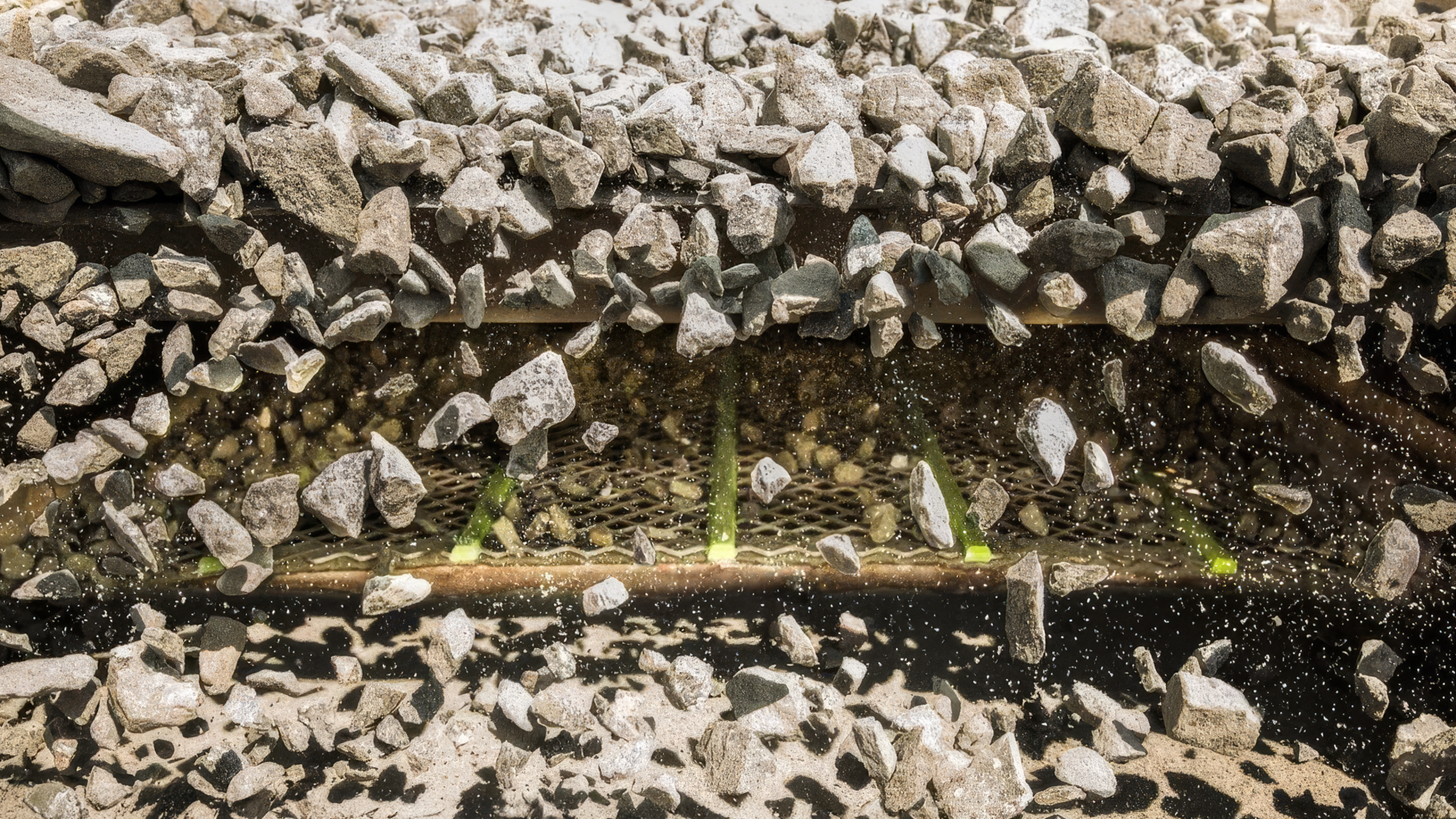
Reality: Modern high-vibration technology virtually eliminates blinding and pegging in some applications while it significantly reduces it in others. Independent wires vibrate at almost 13 times the frequency of a standard screen box. This accelerates material stratification and sends fines to the surface faster, improving throughput and reducing carryover.
Myth 5: Longer wear life always means better performance and profitability.
Reality: Without throughput, gains in wear life don’t equal profitability. The longevity of screen media isn’t the end-all-be-all of screening. The ultimate goal is to maximize profitable tons produced over the panel’s life cycle, which can be achieved even with more frequent changeouts in some cases. The trick is finding the optimal balance between throughput and wear life that delivers the lowest cost per ton.
Myth 6: Woven wire produces the highest throughput.
Reality: Throughput is influenced by how quickly material stratifies and passes through the screen. While woven wire offers a degree of stratification, high-vibration screen media offers higher throughput. The independent vibration of the wires on advanced screen media accelerates stratification and increases efficiency beyond what conventional woven wire options can achieve.
The most effective screen media decisions are driven by application requirements, not myths. Whether the goal is to improve throughput, extend wear life, reduce blinding and pegging or lower maintenance costs, understanding the realities behind common screen media myths helps you make smarter choices for your operation.
To find the right screen media for your application, contact us today!