
Wire Screen vs. Polyurethane: Which Improves Performance More?
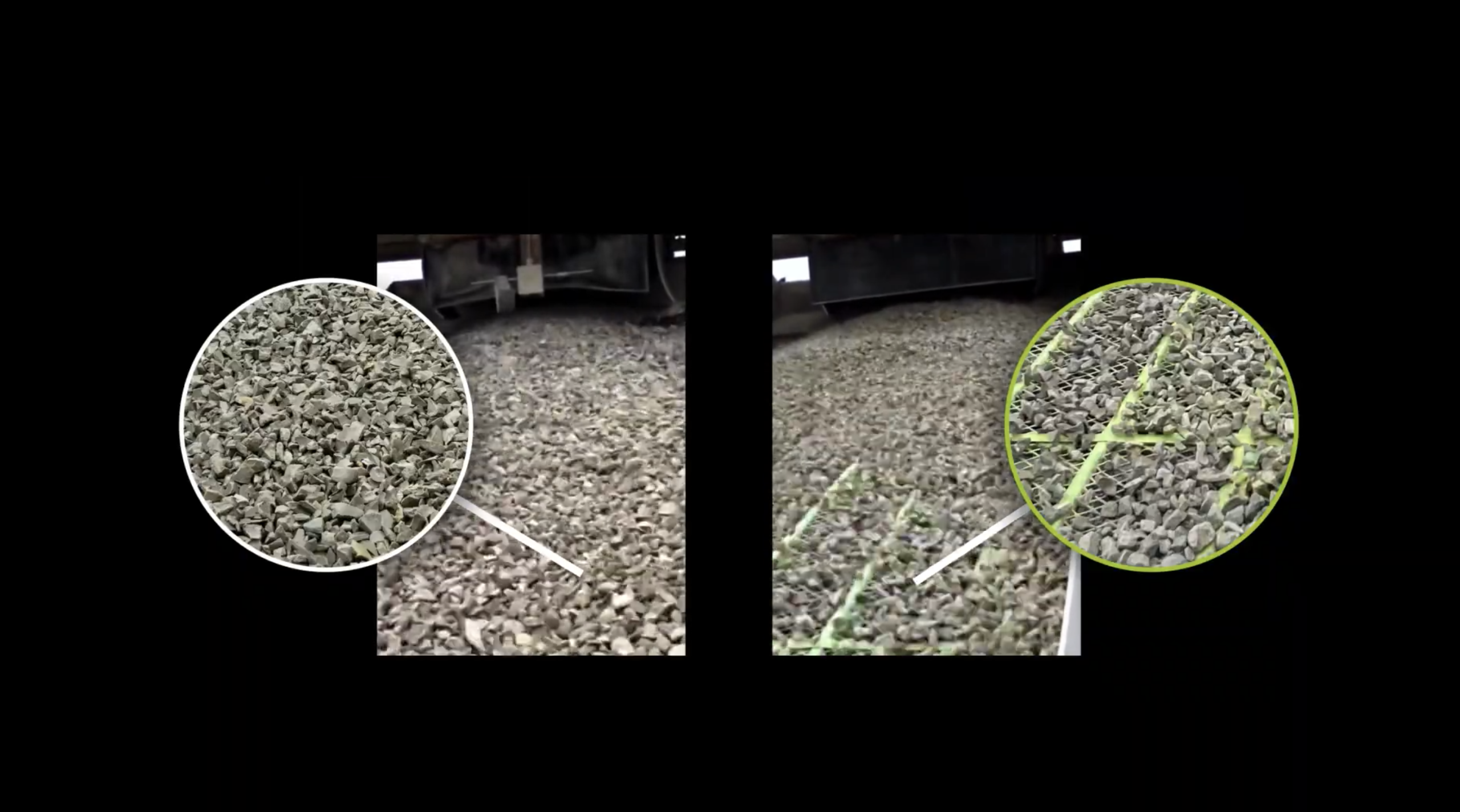
This is the most common question in screen media selection, and it deserves an honest answer rather than a vendor preference.
Polyurethane performs better when:
- Noise reduction is a regulatory requirement (polyurethane absorbs impact sound significantly better than wire)
- Processing highly abrasive fine material on bottom decks where wire gauge is the limiting factor
- The plant layout requires flat modular deck infrastructure that cannot accommodate tensioned wire or our FLEX-MAT modular without modification
High-vibration wire (FLEX-MAT) performs better when:
- Throughput is the primary objective — wire delivers significantly more open area per panel area
- Blinding or pegging is a documented problem — wire with independent vibration addresses both issues
- Wet or sticky material is processed regularly — the self-cleaning effect of high-vibration wire eliminates the need for water sprays or manual cleaning
In the majority of aggregate and mining applications where throughput and efficiency are the primary goals, FLEX-MAT high-vibration wire screen media delivers measurably better results. The cases where polyurethane is genuinely the better choice are real but specific — and an honest assessment from a qualified engineer identifies them before any purchase is made.
Quick Efficiency Audit: 5 Things to Check on Your Screen Today
You do not need an on-site visit to begin improving your screen efficiency. These five checks can be completed by your plant team during the next scheduled maintenance window:
- Measure your stroke amplitude. Use a dial indicator or vibration pen on the side of the screen box. Compare to the manufacturer’s specification for your material. A deviation of more than 2mm from spec warrants investigation.
- Check your deck angle. Use an inclinometer. Verify the angle is within the target range for your material type (typically 18–22° for dry aggregate, 15–18° for wet or sticky material).
- Inspect the screen media for blinding and pegging. Shut down and inspect from below the deck if possible. Count blocked openings per square meter. If more than 15% of openings show blockage, efficiency is significantly impaired.
- Run a feed sieve analysis. Compare the near-size fraction of your current feed to your current opening size. If near-size exceeds 30%, your opening selection may need to be reviewed.
- Calculate your actual changeout frequency. How many times per year are you changing screen media on each deck? Compare this to manufacturer specifications. If you are changing more frequently than expected, wear life is being reduced by an application mismatch or incorrect installation.
Frequently Asked Questions About Vibrating Screen Efficiency
What is a good vibrating screen efficiency?
A good vibrating screen efficiency is 90% or above. This means 90% of all undersize material in the feed successfully passes through the screen openings. Efficiency between 80–90% is acceptable for many operations. Below 80% indicates a significant performance problem — usually caused by blinding, pegging, or incorrect vibration parameters — that is costing the operation in lost throughput and increased cost per ton.
How do you calculate vibrating screen efficiency?
Efficiency (%) = (mass of undersize in product ÷ mass of undersize in feed) × 100. To measure this: collect samples of your feed material and your screened product, run sieve analyses on both, and compare the undersize fraction that passed through against the total undersize present in the original feed. An efficiency of 90% means 10% of material that should have passed through the screen did not.
What causes poor vibrating screen efficiency?
Poor vibrating screen efficiency is most commonly caused by three factors: blinding (fine or wet particles sealing openings), pegging (near-size particles wedging into mesh and blocking them), and incorrect vibration parameters (wrong stroke, speed, or deck angle). Additional causes include improper opening size for the particle size distribution, uneven feed distribution, and worn screen media.
How does screen media type affect vibrating screen efficiency?
Screen media type affects efficiency through open area and vibration resistance. High-vibration wire screen media like FLEX-MAT® provides up to 40% more open area than polyurethane panels and vibrates independently at 6,000–10,000 strokes per minute. This actively ejects near-size particles (eliminating pegging) and prevents fine particles from bonding to the wire (eliminating blinding) — both of which would otherwise reduce effective open area and throughput.
Can I improve vibrating screen efficiency without changing the screen box?
Yes. Switching to high-vibration screen media, correcting deck angle and vibration settings, reviewing opening size, and implementing real-time monitoring all deliver measurable efficiency gains on existing equipment. FLEX-MAT tensioned and modular versions are compatible with the vast majority of screen boxes in the field.
How much can FLEX-MAT improve vibrating screen efficiency?
In documented field applications, FLEX-MAT has increased throughput by up to 40% compared to traditional woven wire or polyurethane media. The improvement comes from more open area, independent wire vibration that eliminates blinding and pegging, and up to 5× longer wear life. MAJOR backs these results with a written Results Guarantee.